Why South African Businesses Can’t Ignore UX Services in 2026
Published: 4 December 2025
UX/UI Design

If you run a business in South Africa in 2026, you already know the truth:
“People don’t give second chances online.”
In today’s digital-first world, the way your customers experience your website or app can make or break your business. Poor user experience (UX) isn’t just an inconvenience but it’s a revenue killer. Ignoring UX services is no longer an option if you want to stay competitive, retain customers, and grow online.
In this guide, we’ll show why UX is critical, highlight the trends shaping the South African digital landscape, explore common pitfalls, and provide practical steps to improve your user experience, so your business can thrive in 2026 and beyond.
Jump To

Ready to Transform Your Digital Experience?
Partner with Digital Humanity to boost conversions and stay ahead in competitive digital landscape.
What is UX and Why It Matters for Businesses
User Experience (UX) refers to the overall experience someone has when interacting with your digital product, be it a website, mobile app, or online portal. A smooth, intuitive UX keeps users engaged, encourages conversions, and builds trust in your brand.
For South African businesses, this is particularly important. According to recent stats, more than 70% of local internet users access websites on mobile devices. Slow-loading pages, confusing navigation, or poorly designed interfaces can quickly drive potential customers to competitors.
Investing in UX isn’t just about aesthetics but it’s about solving real user problems, reducing friction, and maximizing revenue.
UX Trends South African Businesses Must Watch in 2026
If you’re running a business in South Africa, keeping up with UX trends isn’t just a nice-to-have but it’s becoming essential. Here’s what you need to know for 2026:
1. Mobile-First Design:
Most South Africans browse and shop on mobile devices. If your site isn’t optimised for mobile, visitors will leave within seconds. Mobile-first design ensures your content, navigation, and checkout processes are seamless on any screen. Think fast-loading pages, easy taps, and clear layouts these small changes can significantly boost engagement and sales.
2. AI-Powered Personalization:
AI isn’t just a buzzword but it’s a powerful way to make your users feel understood. Personalized content, product recommendations, and dynamic landing pages can increase engagement, repeat visits, and conversions.
For example, a South African e-commerce store can show relevant products based on browsing history or location, keeping users hooked and more likely to buy.
3. Voice & Conversational Interfaces:
Voice search and chatbots are changing how users interact online. South Africans increasingly use voice commands to find products or get information. Conversational interfaces like intuitive chatbots or voice-enabled search, reduce friction and make digital interactions faster and more natural.
4. Accessibility & Inclusive Design:
Good UX includes everyone, including users with disabilities. Features like readable fonts, screen-reader compatibility, clear labels, and colour contrast aren’t just legal requirements,they build trust and loyalty. Accessible design ensures that all South African users can navigate and use your website or app without frustration.
5. Data-Driven UX Decisions:
Stop guessing what works, let the data guide you. Analytics, heatmaps, and user testing reveal how visitors behave on your site. Using this data to improve navigation, fix drop-off points, and optimise forms can increase conversions and satisfaction. South African businesses can use local analytics tools to track behaviour specific to their market.
Why These Trends Matter for Businesses
Ignoring these UX trends can cost you customers, revenue, and brand trust. By prioritising mobile-first design, personalization, accessibility, and data-driven improvements, your business can deliver digital experiences that:
- Keep users engaged longer
- Increase sales and conversions
- Build loyalty and positive brand perception
Pro Tip: Start small, run a UX audit, fix the biggest pain points, and gradually implement these trends. Even minor improvements can have a major impact on results.
Pain Points Businesses Face Without UX
Ignoring UX isn’t just a design problem but it’s a business problem. Many South African companies are realising that poor user experience directly impacts revenue, customer loyalty, and brand reputation. Here’s what’s at stake:
High Bounce Rates
If visitors land on your website and can’t find what they need quickly, they leave often within seconds. Confusing layouts, cluttered pages, or unclear navigation push users away, meaning lost opportunities to engage or sell.
Low Conversion Rates
Even if users stick around, a poorly designed site can stop them from taking action. Broken forms, unclear calls-to-action, or complicated checkout processes can prevent sign-ups, inquiries, or purchases, directly affecting your bottom line.
Customer Frustration
Slow-loading pages, unresponsive buttons, or hard-to-navigate menus frustrate users. Frustrated visitors are less likely to return and more likely to share negative experiences, which can harm your brand reputation over time.
Lost Revenue Opportunities
Every point of friction in your digital experience is a potential lost sale. South African e-commerce and fintech businesses, in particular, can miss out on revenue if their digital platforms don’t guide users smoothly from browsing to buying.
Negative Brand Perception
A clunky, outdated, or confusing website can make even a great product look unreliable. Users judge your brand based on how easy and enjoyable it is to interact with your digital platforms. Poor UX sends the wrong message: that your business doesn’t care about its customers.
How UX Services Fix These Problems
Investing in professional UX services isn’t just about making your website or app look good—it’s about transforming the way customers interact with your brand. For South African businesses, this can lead to measurable results in engagement, loyalty, and revenue. Here’s how:
1. Boost Conversions
A smooth, intuitive UX makes it easier for visitors to take action, whether that’s signing up, making a purchase, or requesting a quote. Simplifying navigation, improving forms, and streamlining checkout processes can significantly increase conversion rates for local businesses.
2. Enhance Customer Satisfaction
When your digital platforms are easy to use, users enjoy their experience. Satisfied customers are more likely to return, recommend your brand, and engage consistently, building long-term loyalty.
3. Gain a Competitive Advantage
In South Africa’s competitive digital landscape, businesses with excellent UX stand out. A website or app that is fast, intuitive, and user-friendly gives your brand an edge over competitors who overlook the importance of UX.
4. Increase ROI
Every friction point removed, whether it’s slow-loading pages, confusing navigation, or unclear calls-to-action, can lead to measurable revenue growth. Investing in UX often pays for itself many times over by boosting conversions and customer retention.
5. Accelerate Digital Adoption
A well-designed UX makes it easier for both customers and internal teams to adopt new digital products or services. Whether it’s onboarding a new app, using an online portal, or interacting with a digital platform, users adapt faster and more confidently.
Turn Clicks into Customers
Collaborate with Digital Humanity to optimize your digital presence and grow your business.
Common Misconceptions About UX Design
A lot of South African businesses still misunderstand what UX really is, which leads to costly mistakes. Here are the most common myths:
“UX is just design.”
Not true. UX goes far beyond visuals. It covers usability, accessibility, mobile responsiveness, user emotions, navigation clarity, and how effortlessly someone can complete a task on your site or app.
In other words: it’s the full experience, not just the look and feel.
“UX is too expensive.”
The real cost is ignoring UX. Poor user experience leads to lost sales, abandoned carts, low trust, and customers jumping to competitors offering smoother digital journeys. In most cases, a small UX improvement can generate more revenue than the cost of fixing the problem.
“UX only matters for tech companies.”
Any business with a digital presence such as retail, finance, healthcare, tourism, education, hospitality, even local service providers can benefit from strong UX. South African users expect seamless, global-standard online experiences, no matter the industry.
Step-By-Step Guide to Improve UX
Improving user experience isn’t a once-off task but it’s an ongoing commitment to making every digital interaction smoother, faster, and more meaningful.
- Start with a UX audit
A thorough audit helps you uncover what’s slowing users down. By analysing heatmaps, user behaviour, and key analytics, you can quickly identify confusing layouts, broken flows, and high-drop-off areas that need attention. - Work with local UX experts
partnering with a South African UX design company like Digital Humanity ensures your digital experience aligns with local user expectations, cultural context, and industry standards. Local expertise leads to better insights and stronger results. - Make UX part of your digital strategy
UX shouldn’t sit on the sidelines. When it’s integrated into your overall digital strategy, from design and content to development and marketing. It becomes easier to create experiences that convert and retain users. - Use modern tools to enhance performance
Leverage responsive design, prototyping tools, heatmap analytics, and A/B testing to continuously refine your website or app. These tools help you understand what users prefer and how to improve their journey. - Commit to continuous improvement
Great UX isn’t static. Regular testing, updates, and optimisation ensure your platforms stay fast, intuitive, and competitive, especially as user behaviour evolves in South Africa’s fast-growing digital economy.
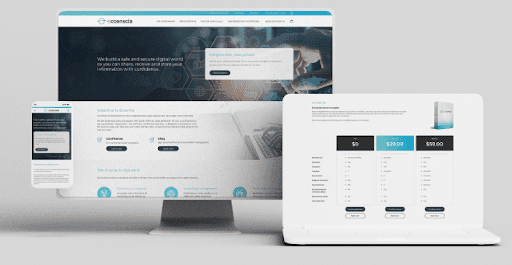
Real Results: Eccenscia UX Case Study
Digital Humanity partnered with Eccenscia to redesign their website and add eCommerce functionality. By focusing on intuitive navigation, smooth checkout flows, and mobile-friendly design, the site now delivers a seamless experience for every visitor.
Key Highlights:
- Enhanced Usability: Clear product layouts and simple payment processes.
- Mobile-First Experience: Optimized for smartphones, where most users browse and shop.
- Measurable Impact: Improved engagement, reduced bounce rates, and smoother purchases.
“We loved working with Jason and his team at Digital Humanity. They understood our business and delivered a website that works seamlessly. We believe this is a long-term partnership.” – Andre Jensen, Eccenscia
Conclusion
South African businesses can no longer afford to overlook UX in 2026. Every digital interaction shapes trust, satisfaction, and buying decisions, and a poor user experience can lead to frustrated customers, abandoned carts, and lost revenue. In today’s competitive market, these missed opportunities can quickly impact growth.
By understanding user needs, keeping up with local UX trends, and partnering with experts like Digital Humanity, your business can create digital experiences that are fast, intuitive, and enjoyable. Investing in UX with Digital Humanity helps boost conversions, strengthen customer loyalty, and position your business ahead of competitors in South Africa’s evolving digital landscape.
Related Blogs

Development
How to Build a Budgeting App in South Africa (Complete 2026 Guide)
South Africa is experiencing a rapid shift toward digital money management. Rising living costs, increasing household debt, and widespread mobile banking adoption have created strong demand for budgeting apps that help individuals and businesses manage their finances better.

DevelopmentStrategy
Low-Code vs. Custom Mobile App Development: What’s Best for South African Startups in 2026?
Low code mobile app development vs custom mobile app development is a question South African startups in 2026 are asking in one of the most competitive and cost-sensitive environments the country has ever seen. Funding is more selective, customers expect world-class digital experiences, and infrastructure realities like load shedding, data costs, and device diversity still shape how mobile apps are used.
Strategy
Best 6 Payment Gateways in South Africa: How to Choose and Integrate the Right One
If you’re searching for payment gateways in South Africa, you’re not here for theory. You want to know which options exist, how they actually work, and which one will perform best once integrated into your website, store, or app. South African payments aren’t simple, customers use cards, EFT, QR codes, and instalments, often on the same site.