Software Development Life Cycle (SDLC) & Methodologies: A Practical Guide
Published: 31 October 2025
Development

Let’s face it, most software projects fail, not because of bad technology, but because of poor processes. Only 30% of projects actually finish on time, stay within budget, and deliver everything they promise. The rest stumble due to unclear requirements, shifting goals, or misaligned expectations. Even global giants aren’t immune, remember Coca-Cola’s 1985 “New Coke” launch? They wasted over $30 million because they ignored customer feedback.
For any software development company, whether based in South Africa or serving clients worldwide, knowing the Software Development Life Cycle (SDLC) is crucial. A clearly defined SDLC keeps projects on track, reduces risks, and ensures teams deliver software that truly meets business goals on time and within budget.
In this guide, you’ll discover:
- The stages of SDLC and why each checkpoint is critical for project success.
- The most effective software development methodologies like Waterfall, Agile, Scrum, DevOps, Kanban, and Spiral — and when to use each.
- Modern 2025 trends, including AI-assisted development, CI/CD pipelines, DevSecOps, and cloud-native architectures, keeping your company competitive both locally and globally.
- How to collaborate effectively with developers as a non-technical stakeholder, ensuring your project delivers real business value.
Whether you’re leading a software development company in South Africa or managing international software projects worldwide, understanding SDLC and methodologies isn’t optional — it’s the difference between a project that fails and one that succeeds spectacularly.
Jump To

Build Your App on the Right Foundation
Consult Digital Humanity to Choose the Perfect Software Methodology!
Software Development Life Cycle (SDLC) Stages:
The SDLC is a cycle with phases from requirements to maintenance. Each stage has clear goals and deliverables, like requirement documents, design mockups, and tested software. This helps teams track progress. In the early phases,
Requirement Analysis and Planning:
business owners define what the software must achieve. They outline goals, core features, and user pain points. They also approve budgets and timelines.
After planning, teams do a feasibility analysis. This ensures the project is technically and financially viable. Your input clarifies “must-haves” vs. “nice-to-haves,” helping avoid costly rework later.
Design:
Designers create wireframes, UI/UX layouts, and architectural blueprints. As a stakeholder, review these early to ensure the solution meets business needs. Fixes at this stage are cheaper than after coding begins.
Development (Build):
Coders turn designs into working software. You don’t have to go to every stand-up. But joining demos or sprint reviews keeps you updated. This way, you can better adjust your expectations.
Testing (QA):
Testing finds bugs and verifies the software meets requirements. It’s important to understand which issues are critical and which are cosmetic. Approving fixes here stops defects from reaching customers.
Deployment:
When the product is released to beta or live users, coordinate launch communications. Also, handle training and change management. A smooth deployment maximizes adoption.
Maintenance:
After launch, the cycle continues. Users will request enhancements or discover issues. You’ll prioritize updates and decide on new features. Continuous improvement keeps the software valuable over time.
Each phase has checkpoints where your input is key. This cycle cuts down on chaos and risk. A clear SDLC workflow keeps projects on schedule and within budget. It also ensures consistent quality through repeatable steps. In practice, this means fewer surprises and a clearer view of deliverables.
Software Development Methodologies
Software development methodologies are structured approaches for planning, building, and delivering software. They give teams a framework to manage tasks, timelines, and collaboration, ensuring projects meet business goals while reducing risks. Below are some of the most widely used methodologies:
1. Waterfall Methodology
Overview of Waterfall:
Waterfall is the classic, step-by-step approach. Each phase must finish before the next begins, like building a house: lay the foundation, erect the walls, then add the roof. There’s little room to go back once a step is complete, so planning upfront is crucial.
Business Impact:
Waterfall works when your requirements are clear and unlikely to change. Predictable timelines and budgets make it easier to manage costs and expectations. However, any change after a phase is costly, so flexibility is limited. Stakeholders usually weigh in at the beginning and at the end, ensuring compliance but less day-to-day involvement.
Ideal For:
Projects with stable, unchanging requirements or strict compliance standards.
Example:
Imagine a government agency in South Africa building a public records portal. Using Waterfall, the team first gathers all requirements: which forms, reports, and security features are needed. They finish this phase before moving on to design mockups. Only after the design is approved do developers start coding. Testing happens after the full system is built, and finally, the portal is launched.
Why it works:
Each step is completed in order, so there’s no confusion about what comes next. Changes late in the project are costly, but the plan ensures everyone knows exactly what will be delivered.
2. Agile Methodology
Overview of Agile:
Agile is iterative, flexible, and customer-focused. Work is broken into small units called sprints, delivering functional features regularly. Think of it like cooking a multi-course meal: taste each dish as you go and adjust the seasoning, rather than waiting until the end.
Business Impact:
Agile accelerates time-to-market and adapts to changing requirements. Continuous stakeholder feedback keeps the product aligned with business goals, reducing the risk of wasted effort or unwanted features.
Ideal For:
Projects with evolving requirements or products that require frequent updates.
Example:
A fintech startup worldwide is building a mobile banking app. Using Agile, the team develops the app in 2-week sprints. After the first sprint, they release a small feature — like transferring money — to a test group of users. Feedback shows the transfer process is confusing, so the team improves it in the next sprint. They repeat this process for each new feature.
Why it works:
Agile allows the team to adapt quickly to user needs and ensures the product evolves based on real feedback rather than assumptions.
3. Scrum Framework
Overview of Scrum:
Scrum is a structured flavor of Agile, defining roles (Product Owner, Scrum Master, Development Team) and ceremonies (sprints, reviews, retrospectives). Think of it as a sports team with clear positions, plays, and regular huddles to review performance.
Business Impact:
Scrum fosters transparency, collaboration, and progress tracking. Task boards and burndown charts let everyone developers, managers, and stakeholders see what’s completed and what’s next. Regular sprint reviews provide checkpoints for feedback, keeping projects aligned with business priorities.
Ideal For:
Complex projects that require frequent changes and structured teamwork.
Example:
A software development company is creating a SaaS product. They use Scrum: the Product Owner prioritizes features, the Scrum Master facilitates team workflow, and developers build features in 2-week sprints. Each sprint ends with a demo where stakeholders review progress and give feedback.
Why it works:
Roles and ceremonies provide structure. Teams know what to do, and stakeholders see tangible results frequently, reducing surprises.
4. DevOps Practices
Overview of DevOps:
DevOps is a mindset and methodology that merges development and operations. Automation, continuous integration, and continuous delivery (CI/CD) are key — imagine an assembly line where every product is automatically tested, packaged, and shipped.
Business Impact:
DevOps speeds up release cycles, improves reliability, and enhances collaboration between developers and IT operations. Bugs are caught early, deployments are smoother, and teams can respond quickly to business needs.
Ideal For:
Organizations that require rapid updates, high availability, and continuous improvement.
Example:
An e-commerce platform worldwide wants to release updates every week. Using DevOps, every new feature is automatically tested and deployed through a CI/CD pipeline. If a bug is detected, the system rolls back the update instantly.
Why it works:
Automation reduces human errors, speeds up delivery, and allows the business to respond to market changes faster.
5. Kanban Method
Overview of Kanban:
Kanban is a visual, flow-based workflow system. Tasks are represented as cards on a board and move continuously across stages. Think of it like a supermarket checkout: items move one at a time, and bottlenecks are instantly visible.
Business Impact:
Kanban enhances transparency, flexibility, and throughput. Teams can reprioritize tasks quickly without reorganizing an entire plan. It’s especially effective for ongoing or unpredictable work.
Ideal For:
Support teams, maintenance operations, or continuous delivery environments.
Example:
A customer support team receives tickets daily. Using Kanban, each ticket is a card on a board. When a support agent starts a ticket, it moves to “In Progress.” Once solved, it moves to “Done.” The team can see all pending tickets at a glance and quickly reassign urgent issues.
Why it works:
Kanban makes workflow visual and flexible. Everyone immediately knows bottlenecks and priorities.
6. Spiral Model
Overview of Spiral:
The Spiral Model combines iterative development with rigorous risk management. Picture cautiously climbing a mountain: take small steps, check safety, and adjust the path as needed.
Business Impact:
This approach is perfect for high-stakes projects. Each iteration builds prototypes, tests assumptions, and evaluates risk — reducing chances of major failures later.
Ideal For:
Large, complex, or high-risk projects where errors can be costly.
Example:
An aerospace company worldwide is developing a navigation system. Using the Spiral model, the team builds a small prototype first and tests it for safety. Each cycle, they add more functionality and run new safety checks. Stakeholders review progress after each cycle and suggest adjustments.
Why it works:
Iterative development with risk checks ensures safety-critical systems are thoroughly validated before final deployment.
Choosing the Right Methodology
No one size fits all. Match the methodology to your project’s needs and your organization’s style:
Scope & Clarity:
If requirements are well-known and unlikely to change, Waterfall can work (especially for small, time-limited project). If needs are changing or uncertain, favor Agile/Scrum for flexibility.
Complexity & Size:
For large, complex projects with many moving parts, Agile or hybrid approaches (Scrum, DevOps) are often better. Spiral is worth considering when the stakes and uncertainty are very high.
Risk Tolerance:
High-risk projects call for Spiral or heavy-risk management. Low-risk or routine projects might use simpler models.
Team & Stakeholder Availability:
Agile/Scrum require frequent engagement. If you can commit to regular reviews and feedback, they work well. If stakeholders can only be involved at milestones, something more sequential (Waterfall) may suit.
Timeline Predictability:
Waterfall tends to give fixed deadlines (but inflexible scope). Agile gives faster initial results but scope/time can shift. Balance speed vs. predictability.
Regulatory Needs:
Strict compliance or contract environments often favor Waterfall or V-Model.
Continuous Delivery Goals:
Organizations emphasizing CI/CD and short lead times benefit from DevOps or Kanban practices.
For example, “Waterfall lends itself to small, time-limited projects with well-defined requirements,” whereas “Agile is ideal for large, complex projects that require frequent changes. Use a simple decision matrix (project factors vs methodology) to guide the choice. The key is not to chase the latest trend blindly, but to pick a method that aligns with your project’s size, risk, and need for stakeholder input.
Ready to Build Smarter Software?
Let’s plan your project using the right SDLC methodology — start with a free consultation today.
Collaboration Tips for Business Owners
Define clear requirements:
Don’t say “make it faster.” Specify targets (e.g. load time under 2s) or use cases. Clear, measurable goals prevent ambiguity.
Stay engaged selectively:
Attend demos and sprint reviews where your input adds value. Ask how features tie back to ROI and business goals. You don’t need to micromanage, but your feedback on priorities and satisfaction is crucial.
Use visual tracking:
Tools like Kanban boards, burndown charts, or dashboards make progress visible. Insist on regular status updates in plain language (not just technical details).
Prioritize ruthlessly:
Work with the team to rank features by business impact. A lean backlog focusing on high-ROI items helps deliver value sooner.
Understand the process:
Know the basics of the chosen methodology so you speak the same language as the team. For example, in Agile/Scrum, a “velocity” or “story point” has meaning; in Waterfall, a “phase gate” matters. This avoids confusion and builds trust.
Modern Software Delivery Trends (2025+)
Software delivery is evolving. A few trends to watch:
AI-Assisted Development:
Tools like GitHub Copilot or ChatGPT can speed up routine coding. Surveys find 62–76% of developers now use AI tools in their workflow. This means prototypes and boilerplate come faster, but human oversight is still vital. Recent research cautions that while generative AI “can accelerate the process and reduce effort,” using it without careful developer review can produce brittle or insecure code. As a stakeholder, know that AI tools don’t replace QA: continue to test critically and validate AI-generated parts.
CI/CD (Continuous Integration/Delivery):
Tools like GitHub Copilot or ChatGPT can speed up routine coding. Surveys find 62–76% of developers now use AI tools in their workflow. This means prototypes and boilerplate come faster, but human oversight is still vital. Recent research cautions that while generative AI “can accelerate the process and reduce effort,” using it without careful developer review can produce brittle or insecure code. As a stakeholder, know that AI tools don’t replace QA: continue to test critically and validate AI-generated parts.
DevSecOps & AgileOps:
Security and operations are weaving into the SDLC. DevSecOps embeds security testing in every phase, so compliance work happens continuously, not just at the end. “AgileOps” is a term for combining Agile principles with IT operations. In practice, expect your dev teams to do automated security scans and consider operational stability from day one. This integrated approach increases overall speed and safety, but you should budget a bit more time for automated checks and infrastructure as code.
Cloud-Native & Microservices:
Security and operations are weaving into the SDLC. DevSecOps embeds security testing in every phase, so compliance work happens continuously, not just at the end. “AgileOps” is a term for combining Agile principles with IT operations. In practice, expect your dev teams to do automated security scans and consider operational stability from day one. This integrated approach increases overall speed and safety, but you should budget a bit more time for automated checks and infrastructure as code.
Overall, these trends mean faster cycles and more automation but also that businesses must keep up. Stay informed about how these technologies affect risk (e.g. security in AI/code, or cloud vendor lock-in).
Conclusion
For non-technical stakeholders, mastering the SDLC isn’t about writing code,it’s about making smarter decisions, reducing surprises, and keeping people at the center of technology. Understanding how software is built helps you support your team, serve users, and achieve business goals, whether you’re working with Waterfall, Agile, Scrum, DevOps, Kanban, or Spiral methodologies. Each approach balances timelines, flexibility, and stakeholder involvement, allowing you to ask the right questions at the right time.
At Digital Humanity, we focus on aligning processes with project goals to deliver real business value. By appreciating both the human and technical aspects of each methodology, you can guide projects more effectively, empower your team, and ensure technology works for people not the other way around.
Related Blogs
Development
How to Build a Budgeting App in South Africa (Complete 2026 Guide)
South Africa is experiencing a rapid shift toward digital money management. Rising living costs, increasing household debt, and widespread mobile banking adoption have created strong demand for budgeting apps that help individuals and businesses manage their finances better.

DevelopmentStrategy
Low-Code vs. Custom Mobile App Development: What’s Best for South African Startups in 2026?
Low code mobile app development vs custom mobile app development is a question South African startups in 2026 are asking in one of the most competitive and cost-sensitive environments the country has ever seen. Funding is more selective, customers expect world-class digital experiences, and infrastructure realities like load shedding, data costs, and device diversity still shape how mobile apps are used.
Strategy
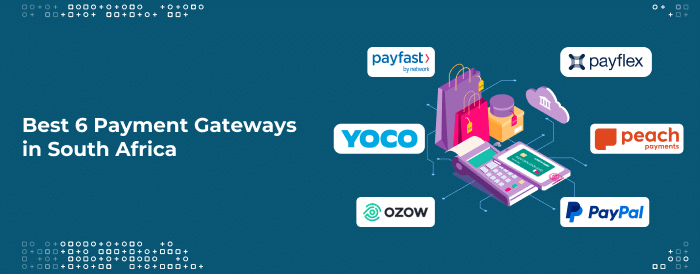
Best 6 Payment Gateways in South Africa: How to Choose and Integrate the Right One
If you’re searching for payment gateways in South Africa, you’re not here for theory. You want to know which options exist, how they actually work, and which one will perform best once integrated into your website, store, or app. South African payments aren’t simple, customers use cards, EFT, QR codes, and instalments, often on the same site.