The Hidden Cost of Bad UX: Why Your Store is Bleeding Customers
Published: 6 May 2025
Customer ExperienceUX/UI Design
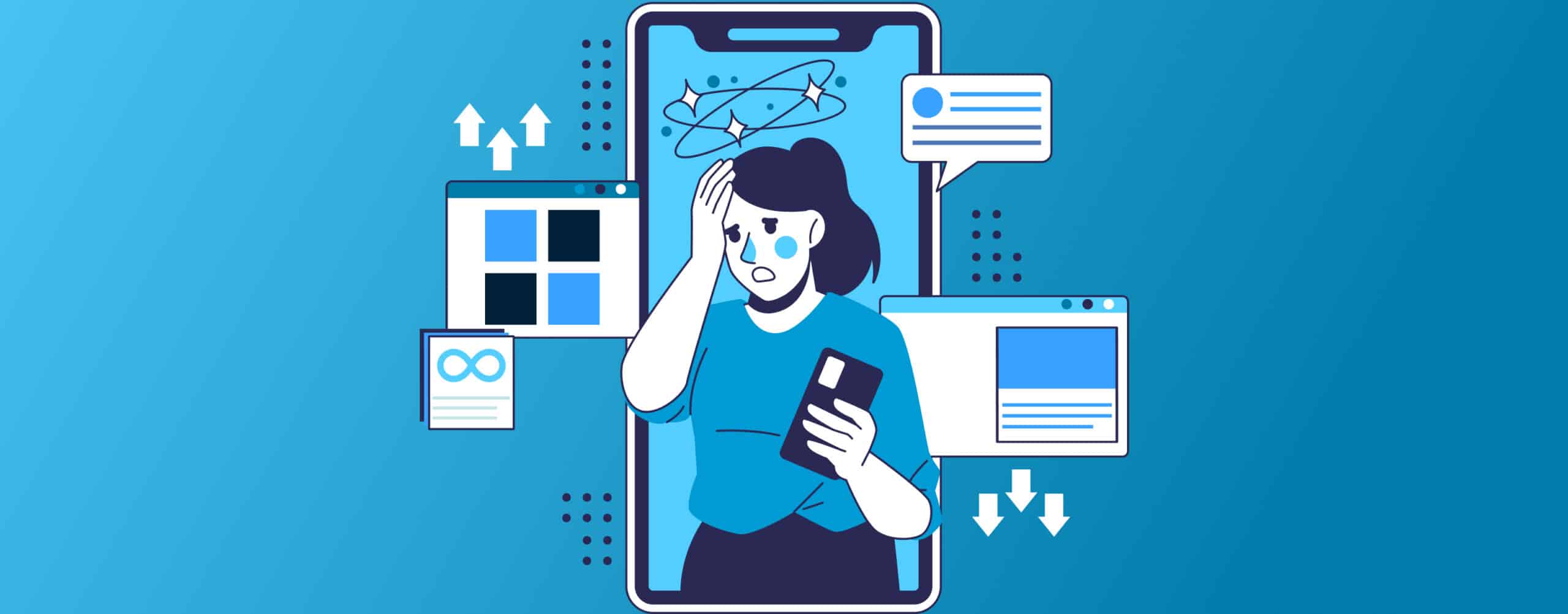
You’re investing in marketing, running ads, and driving traffic—but you’re not seeing conversions. The problem may not be your product or your offer. It’s likely your user experience (UX). Studies show that 88% of users won’t return to a website after a bad experience, so it’s critical to get your user experience right—or risk losing trust, leads, and revenue.
In this article, we unpack how poor UX silently drains your revenue, repels customers, and damages your brand—and what to do about it.
Content
UX Is More Than Design—It’s a Business Growth Lever
User experience (UX) refers to how a person feels when interacting with your website—whether they find it smooth and intuitive or confusing and frustrating. Great UX design is more than just a beautiful interface; it’s about guiding your visitors toward action in a seamless, friction-free way.
For marketing and tech leaders, this isn’t a “nice-to-have” anymore—it’s a direct business driver. Good UX can increase conversions, reduce bounce rates, and build lasting trust, while poor UX does the opposite: it frustrates users, erodes brand credibility, and drives potential customers away before they’ve even read your message. When your site feels clunky or unclear, you’re not just losing clicks—you’re losing business.
Why You’re Paying More to Convert Less
Poor UX isn’t just a design flaw—it’s a scalability blocker. As your business grows, your digital platforms should help you scale effortlessly. But when users struggle to navigate your website, abandon carts, or bounce before engaging, your growth engine stalls. Instead of benefiting from organic conversions, you’re forced to compensate with higher ad spend and aggressive marketing tactics just to maintain traction.
And the worst part? Those extra visitors are still hitting the same poor experience—so you’re paying more for less return. Without strong UX, your site becomes a bottleneck that caps your potential and drains your budget. In the long run, bad UX inflates your customer acquisition cost and makes scaling far more expensive than it needs to be.

Time for a Smarter Build?
We build websites that turn clicks into customers — let’s do the same for you.
7 Common Costly UX Mistakes We See Every Week
Even the most well-intentioned websites can sabotage their success with a few avoidable UX missteps. These are the most common issues we encounter when auditing South African business sites—and they’re costing brands real money:
- Confusing navigation: If users can’t find what they’re looking for in 3 clicks or less, they’re likely to give up entirely.
- No mobile optimisation: Over 70% of South Africans browse on mobile. If your site doesn’t adjust seamlessly, you’re losing users before they even scroll.
- No clear calls to action: Visitors need visual direction. Without strong buttons, form cues, or next steps, they won’t know what to do next.
- Generic content that doesn’t connect: High-quality, relevant content builds trust. Speak to your users’ needs—not just your brand—and make your voice your competitive edge.
- Overuse of popups and chatbots: Interruptive design damages trust and pushes people away—especially first-time visitors.
- No analytics or tracking in place: You can’t improve what you don’t measure. Without tools like Google Analytics, you’re flying blind on what users actually do on your site, meaning you are effectively blind to your users’ experience.
- Lack of regular updates and maintenance: Outdated content, broken links, and security risks are all signs of neglect. A well-maintained site feels modern, trustworthy, and functional. Simply keeping your site optimised and updated, you show your commitment to your users’ experience.
These mistakes may seem small, but together, they create a frustrating experience that turns potential customers into lost opportunities.
What Great UX Looks Like and Why It Works
Great UX is the kind you don’t even notice—because it just works. It guides your users intuitively from curiosity to conversion without friction or confusion. It’s not just about how your website looks—it’s about how it performs and how every UX element attracts and engages customers to create a seamless journey that drives conversions.
Here’s what we focus on when designing digital experiences that actually work:
- Start with a UX audit: You can’t fix what you haven’t identified. A proper audit helps uncover where users are dropping off, what’s causing frustration, and what’s blocking conversions.
- Test with real users: Your team isn’t your target audience. Real feedback from real users reveals blind spots you didn’t know existed.
- Seamless experience across all devices: Mobile-first, always. A great UX feels just as smooth on a phone as it does on a desktop.
- Focus on clear, goal-driven layouts: Strip away the noise and make it easy for users to understand what to do next — whether that’s signing up, buying, or booking a call.
- Design for action, not just aesthetics: Beautiful websites are forgettable if they don’t convert. Great UX puts form in service of function.
- Prioritise speed and simplicity: Every extra second in loading time is a chance to lose a user. Great UX is fast, lightweight, and efficient.
- Use data to refine over time: UX is never “done.” Measure how people use your site, track behavior, and iterate for continuous improvement.
How We Help Businesses Get UX Right
We’ve worked with startups, scale-ups, and established businesses across South Africa and globally to transform their websites and platforms into digital experiences that convert.
Whether it’s through a strategic UX audit, a full website redesign, or incremental improvements based on real user behaviour, we help teams uncover what’s not working—and build what will.
From simplifying navigation to improving site speed, from designing mobile-first layouts to refining the entire user flow—we focus on the details that make a big difference to your bottom line.
If you’re ready to stop guessing and start designing with purpose, drop us a message.
Related Blogs

Development
How to Build a Budgeting App in South Africa (Complete 2026 Guide)
South Africa is experiencing a rapid shift toward digital money management. Rising living costs, increasing household debt, and widespread mobile banking adoption have created strong demand for budgeting apps that help individuals and businesses manage their finances better.

DevelopmentStrategy
Low-Code vs. Custom Mobile App Development: What’s Best for South African Startups in 2026?
Low code mobile app development vs custom mobile app development is a question South African startups in 2026 are asking in one of the most competitive and cost-sensitive environments the country has ever seen. Funding is more selective, customers expect world-class digital experiences, and infrastructure realities like load shedding, data costs, and device diversity still shape how mobile apps are used.
Strategy
Best 6 Payment Gateways in South Africa: How to Choose and Integrate the Right One
If you’re searching for payment gateways in South Africa, you’re not here for theory. You want to know which options exist, how they actually work, and which one will perform best once integrated into your website, store, or app. South African payments aren’t simple, customers use cards, EFT, QR codes, and instalments, often on the same site.